Melbourne weather does not go easy on a house. One afternoon you get 38 degree heat, the next you get wind and sideways rain. Over time that takes a toll on exterior walls, and tired, cracked or water stained walls are often what makes a home look older than it is.
External wall cladding is a protective outer layer fixed to the exterior of a building. It shields the structure from weather, improves appearance and, depending on the material, can help with insulation and noise. In Melbourne, popular choices include timber, fibre cement, composite WPC, metal, brick veneer and natural stone, with installed prices typically ranging from about $80 to $500 or more per square metre.
This guide walks you through every option, what each really costs, the rules you need to know in Victoria, and how to choose a material that suits your suburb, your budget and your lifestyle.
What Is External Wall Cladding?
External wall cladding is a non structural skin applied over a building’s frame or existing walls. It keeps moisture out, adds a finish you can choose, and can improve thermal performance when installed with insulation and a proper vapour barrier.
Homeowners usually choose it for three reasons:
- To refresh a dated exterior without a full rebuild
- To protect walls from water, UV and general wear
- To add value and street appeal before a sale or after a renovation
Why Cladding Makes Sense in Melbourne’s Climate
Melbourne’s famous “four seasons in one day” is not just a joke. The Bureau of Meteorology records big daily temperature swings, and the city sees roughly 600 to 650 millimetres of rain a year. Materials expand, contract and soak up moisture through all of it.
Good cladding helps in four ways:
- Weather protection. It sheds rain, blocks UV and resists wind driven moisture.
- Better comfort. Paired with insulation, it can keep rooms steadier in summer and winter, which matters when you are paying for heating through a Melbourne July.
- Noise reduction. Homes near the Tullamarine Freeway, Punt Road, tram lines or flight paths often notice a real difference with denser cladding systems.
- Lower upkeep. Modern materials save you from repainting or restaining every few years.
Your External Wall Cladding Options in Melbourne
1. Timber Cladding
Timber gives that warm, natural look people love on Brighton beach style homes, Mornington Peninsula builds and contemporary extensions. It can run horizontally, vertically or on an angle for a custom pattern.
- Typical installed cost: $120 to $250 per square metre
- Maintenance: Regular sealing or staining, usually every one to three years
- Best for: Feature walls, entries, and owners who enjoy the upkeep
2. Fibre Cement Cladding
Fibre cement is one of the most popular choices across Melbourne’s newer estates in Point Cook, Craigieburn and Clyde. It handles heat, rain and termites well, and it can mimic weatherboard, panel or render.
- Typical installed cost: $90 to $200 per square metre
- Maintenance: Repaint every 10 to 15 years
- Best for: Whole house exteriors and strong value for money
3. WPC (Wood Plastic Composite) Cladding
WPC blends wood fibres with recycled plastics. You get a timber look without the sanding, sealing and staining, and it resists rot, fading and termites.
- Typical installed cost: $100 to $220 per square metre
- Maintenance: Occasional wash down
- Best for: Fences, feature walls, outdoor entertaining areas and busy households
4. Metal and Aluminium Cladding
Sleek, lightweight and tough, metal cladding suits modern builds in Docklands, Collingwood and Richmond. Colorbond style steel is also a trusted option in bushfire prone areas.
- Typical installed cost: $80 to $180 per square metre
- Maintenance: Very low
- Best for: Contemporary designs and fire conscious builds
5. Brick and Stone Veneer
Veneers give you the look of masonry without the full structural weight. They add texture to townhouses and commercial frontages across Fitzroy, Footscray and the CBD fringe.
- Typical installed cost: $150 to $300 per square metre
- Maintenance: Low, with occasional cleaning
- Best for: Bold facades and entry features
6. Natural Stone Cladding
This is the premium end of the market. Natural stone is long lasting and striking, but it needs skilled installation and a stronger fixing system.
- Typical installed cost: $200 to $500 or more per square metre
- Maintenance: Low, with occasional sealing
- Best for: Luxury homes in places like Toorak, Kew and Brighton
Please treat these numbers as indicative ranges only. Prices shift with material supply, wall condition, access and labour, so always get a written quote.
How Much Does External Wall Cladding Cost in Melbourne?
For an average Melbourne home with 100 square metres of external wall, a full cladding job could range from about $9,000 for budget fibre cement or metal up to $50,000 or more for natural stone. Most families land between $12,000 and $30,000.
Here is what moves the price:
- Material choice: The biggest factor by far
- Wall condition: Rot, damp or old coatings may need repair first
- Building height: Double storey homes need scaffolding
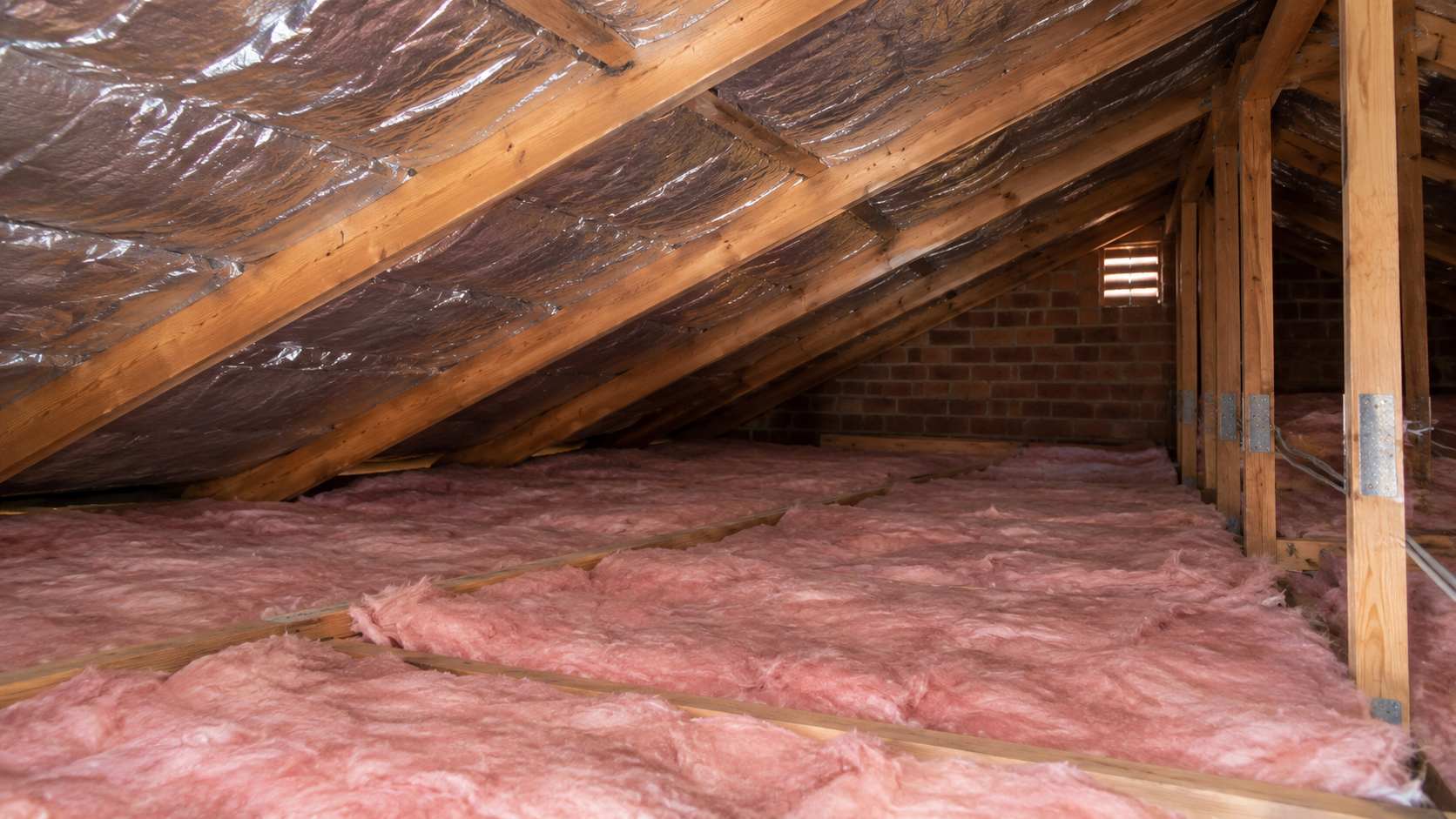
- Insulation and sarking: Adds cost but delivers real comfort
- Design complexity: Angles, curves and many corners take longer
- Removal of old cladding: Can add several thousand dollars
Budget tip: Cladding only the street facing wall or a single feature section can lift curb appeal for far less than a full wrap.
Rules and Compliance in Victoria
This is where many homeowners get caught out, so it is worth a few minutes.
- Building permits: Many cladding projects need a building permit. The Victorian Building Authority explains when one is required at vba.vic.gov.au
- Bushfire ratings: If you live in Warrandyte, Eltham, the Dandenong Ranges or the outer north east, your property may sit in a Bushfire Attack Level zone. Materials must meet Australian Standard AS 3959.
- Heritage overlays: Homes in areas like Carlton, Williamstown or parts of Hawthorn may need council approval before you change the facade.
- Combustible cladding: Victoria has tightened rules around high risk products. Cladding Safety Victoria provides guidance at cladding.vic.gov.au.
- Owners corporations: Apartment and townhouse owners usually need approval first.
Always ask your installer to confirm compliance in writing before work begins.
Local Factors That Affect Your Choice
Where you live in Melbourne genuinely changes which material is smart.
- Bayside and Mornington Peninsula: Salt air is rough on cheap metals and untreated timber. Choose marine suitable finishes or WPC.
- Inner north and inner west: Period homes and narrow lots often suit lightweight fibre cement or timber feature panels that respect the streetscape.
- Outer east and Yarra Ranges: Bushfire ratings should lead your decision.
- Growth corridors: Newer estates often use fibre cement or metal, so a timber look WPC feature can help your home stand out.
- Busy roads: Dense cladding with acoustic insulation can quieten traffic noise.
How to Choose the Right Cladding: A Simple Checklist
- Set a realistic budget that includes preparation and insulation.
- Check your planning, heritage and bushfire requirements.
- Decide how much maintenance you are happy to do.
- Look at samples outside in real Melbourne light, morning and afternoon.
- Ask for warranty details on both product and installation.
- Compare at least three written quotes.
Signs Your Walls Need Cladding Now
- Peeling or bubbling paint
- Damp patches or musty smells inside
- Cracked render or timber boards
- High heating and cooling bills
- Noticeable street noise
- Fading or an overall tired look
Catching these early is usually cheaper than fixing hidden water damage later.
What to Expect During Installation
A typical project follows these steps: inspection and quote, removal of old material if needed, repairs to the frame, fitting of a waterproof membrane and insulation, installation of battens or fixings, then the cladding itself, followed by trims and finishing. Most single home projects take one to three weeks, depending on size and weather.
Frequently Asked Questions
How much does external wall cladding cost in Melbourne?
Most Melbourne homeowners pay between $80 and $500 per square metre installed, depending on the material. A typical home often lands between $12,000 and $30,000. Wall repairs, scaffolding and insulation can add to the total, so always request a detailed written quote.
What is the cheapest external cladding for a house?
Fibre cement and metal cladding are usually the most affordable, often starting around $80 to $90 per square metre installed. They also hold up well in Melbourne weather. Lower upfront cost can still mean more repainting later, so compare long term maintenance too.
Do I need a permit to clad my house in Melbourne?
Often yes. Many cladding projects require a building permit, and homes in heritage or bushfire zones may need extra approvals. Check with your local council and the Victorian Building Authority first, and ask your installer to confirm all requirements before starting.
How long does external wall cladding last?
It depends on the material. Fibre cement commonly lasts 30 years or more, metal around 30 to 50, WPC often 20 to 25 with warranty support, and natural stone can last generations. Timber lasts well only with regular maintenance and sealing.
What is the best cladding for Melbourne weather?
Fibre cement, metal and WPC all handle Melbourne’s heat, rain and wind well. Fibre cement suits whole house exteriors, metal works in bushfire areas, and WPC gives a low maintenance timber look. The best choice depends on your suburb and budget.
Can cladding be installed over existing walls?
Sometimes. If the existing wall is sound, dry and flat, new cladding can often go over it using battens. Damaged, damp or uneven walls need repair first. A qualified installer should inspect the wall before recommending the safest approach.
Conclusion: Key Takeaways
External wall cladding protects your home, improves comfort and gives your property a fresh look that suits Melbourne’s weather. Fibre cement and metal offer strong value, timber brings warmth, WPC delivers a low maintenance timber look, and stone sits at the premium end. Check permits, heritage and bushfire rules before you commit.
Ready to get started? Call Vista Plastring to book your free on site assessment and a clear, no pressure quote for your Melbourne home.