If your Melbourne home feels like an icebox in July and a sauna in February, your insulation is probably the culprit. The big question for most renovators is simple. Do you insulate the ceiling or the walls first?
Ceiling insulation is a layer of batts or reflective material in the roof space that slows heat moving in and out of your home. Wall insulation does the same job inside your wall cavities. For most Melbourne homes, ceiling insulation should go in first because it delivers the biggest comfort gain per dollar. Wall insulation comes next, and the best time to install it is when your plasterboard is already coming off.
In this guide, we break down where your home actually loses heat, what Australian Government sources say about it, how Bradford, Fletcher Pink Batts and Kingspan products fit in, and how to plan the order of work so you never pay to open the same wall twice. Whether you own a weatherboard in Northcote or a brick veneer in Glen Waverley, you will finish this article knowing exactly what to do first.
Ceiling Insulation vs Wall Insulation: The Short Answer
For most Melbourne homes, install ceiling insulation first, then wall insulation. The ceiling is the biggest source of winter heat loss and summer heat gain, and it is also the easiest and most affordable area to upgrade. Wall insulation is the next priority, and it makes the most sense when plasterboard is already being replaced or renovated.
Where Heat Really Escapes From a Melbourne Home
Heat always moves from warm to cold, which is why your home feels like a leaky bucket in winter. The Australian Government’s Home Scorecard reports that between 25 and 35 percent of a home’s heat loss or gain happens through the ceiling. Walls typically account for a smaller share, around 15 to 25 percent.
The Australian Bureau of Statistics reaches the same conclusion, noting that most winter heat loss and summer heat gain occurs through the roof or ceiling. You can read more in the Australian Bureau of Statistics energy efficiency report and the Australian Government’s Your Home guide to insulation. Ceiling insulation: What Australians need to know before upgrading +2
The rest escapes through windows, floors and gaps around doors, cornices and exhaust fans. That is why insulation works best as part of a whole home plan, not a single fix.
Why Melbourne’s Climate Makes Insulation Worth It
Melbourne sits in a cool temperate climate zone under the National Construction Code. We get cold, damp winters, frosty mornings in the outer east and the foothills of the Dandenong Ranges, and summer hot spells above 40 degrees when northerly winds roll in. Your house has to hold heat in during June and keep it out during January.
Many older homes technically have some insulation already. Most Victorian homes have some ceiling insulation, but it may not be doing its job and might need topping up. Batts that have flattened, shifted or gotten damp over the decades lose much of their effect, so “we already have insulation” is not the same as “we are well insulated.” pressreader
Ceiling Insulation: What It Does and Why It Usually Wins
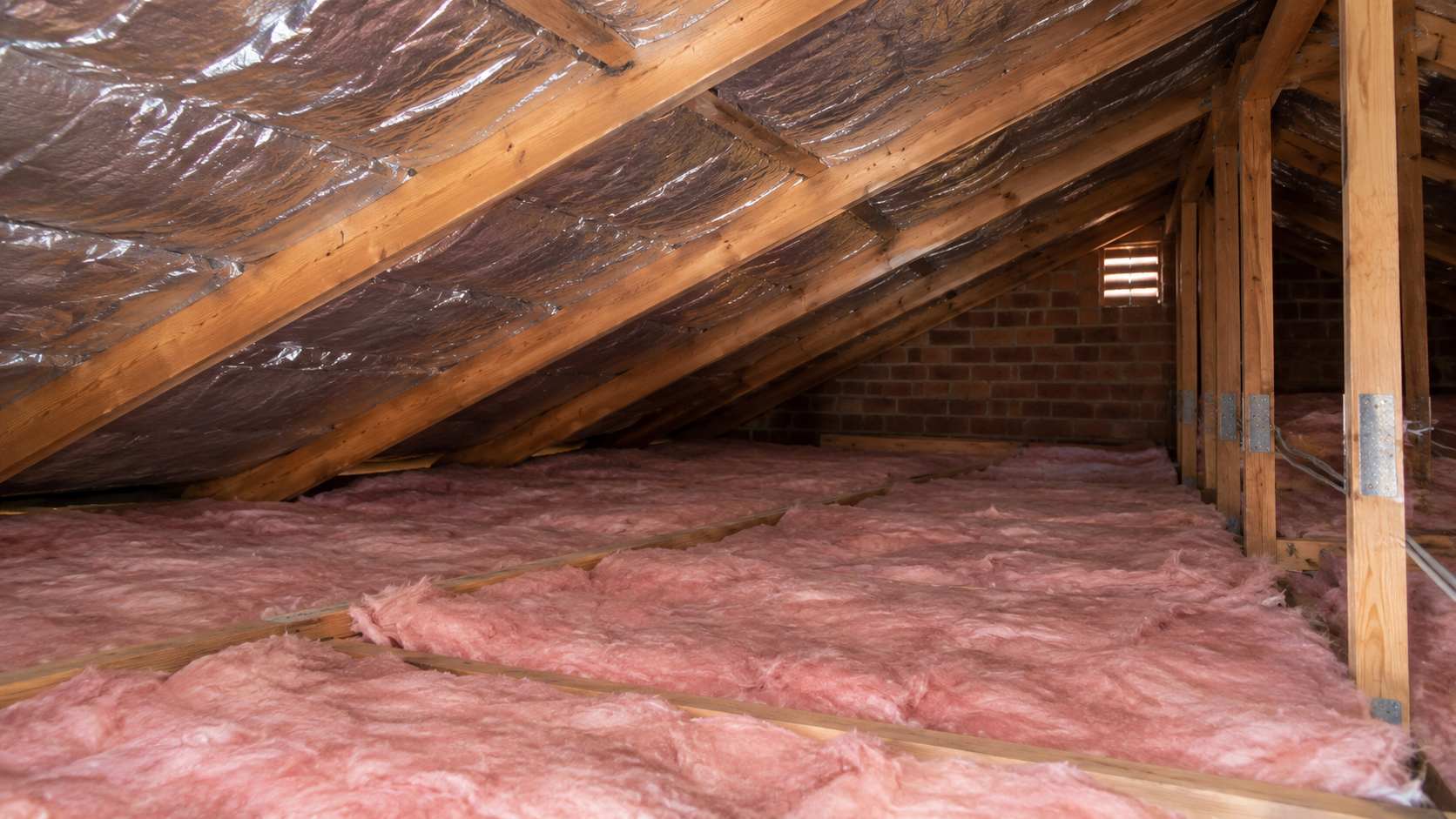
Ceiling insulation sits above your plasterboard, in the roof space. It is the most accessible part of the house to upgrade and the quickest to install, often in a single day.
Why it comes first
- It targets the largest source of heat loss and gain.
- It needs no demolition, so there is little mess inside your home.
- It works in both seasons, keeping warmth in during winter and heat out during summer.
- It is usually the lowest cost per square metre of the two options.
What to check before installing
- Existing batts: Look for compression, gaps, water stains or pests.
- Downlights: Use correctly rated covers or IC rated fittings and keep the required clearances.
- Exhaust fans and flues: Never bury these, and keep them ducted outside.
- Wiring: Keep insulation clear of electrical safety hazards, and take extra care with foil products near cables.
- Ceiling condition: Cracks, sagging sheets and old cornices are best repaired before you cover them.
That last point is where plastering and insulation meet. A tidy ceiling means a more even finish and fewer surprises later.
Wall Insulation: What It Does and When It Makes Sense
Wall insulation fills the cavity between your internal plasterboard and external cladding or brick. It stops heat leaking sideways, cuts draughts and softens outside noise, which is a genuine bonus near busy roads like Punt Road, Sydney Road or the Princes Highway.
Timber frame and weatherboard homes
Weatherboard homes in suburbs like Northcote, Thornbury and Footscray often have empty wall cavities. They benefit the most from wall insulation, but access is the catch. In most existing homes, the plasterboard has to be removed or the cladding opened up so batts can be fitted properly.
Brick veneer homes
Brick veneer homes in places like Glen Waverley, Mulgrave and Werribee usually have a timber frame behind the brick. If your cavity is empty, wall batts or boards can go in during a renovation.
Solid brick and heritage homes
Victorian and Edwardian terraces in Fitzroy, Carlton and Hawthorn often have solid brick walls and no cavity at all. Heritage overlays can also limit changes to external walls. In these homes, internal wall lining with insulation is often the practical route, so check council requirements first.
Why the plastering link matters
Retrofitting wall insulation without a renovation is expensive and messy. If you are already re-sheeting walls, adding an extension or fixing water damaged plasterboard, the wall is already open. Adding insulation at that point costs a fraction of doing it later, and it is why renovators should think about insulation and plastering as one job.
Ceiling vs Wall Insulation Side by Side
- Share of heat loss or gain: Ceiling 25 to 35 percent, walls 15 to 25 percent.
- Disruption: Ceiling is low, walls are high unless the plasterboard is already open.
- Best timing: Ceiling anytime, walls during renovations or new builds.
- Comfort return: Ceiling is fast and noticeable, walls build on top of that.
- Bonus benefit: Walls also reduce noise from neighbours and traffic.
Which Should You Do First? A Quick Guide by Home Type
- Weatherboard (Northcote, Footscray, Williamstown): Ceiling first, then walls the next time you re line a room.
- Brick veneer (Glen Waverley, Werribee, Essendon): Ceiling first, then walls if the cavity is empty and accessible.
- Victorian or Edwardian terrace (Fitzroy, Carlton, Hawthorn): Ceiling first, then internal wall lining where heritage rules allow.
- Double storey homes: Ceiling first, then consider insulation between floors for comfort and sound.
- Renovations with open walls: Do both in the same project.
Bradford, Fletcher and Kingspan: Choosing the Right Product
R value measures how well insulation resists heat flow. A higher number means better performance. Ceiling insulation in Australia is available in a range of R values from R3.0 to R7.0. The National Construction Code sets minimums depending on your climate zone, so always check what applies to your project. pricewiseinsulation
- Bradford (CSR): Glasswool batts for ceilings and walls, widely used in Australian homes.
- Fletcher Insulation Pink Batts: Made in Australia with up to 80 percent recycled glass. insulation
- Kingspan: Rigid insulation boards, useful where cavity depth is limited because boards generally offer more resistance per millimetre than batts.
Availability and R values vary by product line, so we match the brand and rating to your roof space, wall cavity and budget instead of forcing a one size fits all solution.
The Smart Order of Work for Melbourne Renovators
- Inspect the roof space and note the condition of any existing insulation.
- Fix roof leaks, ceiling damage and gaps that let air in.
- Install ceiling insulation to the R value that suits your home.
- Plan wall insulation alongside your renovation, after electrical and plumbing rough in.
- Fit wall batts or boards before the plasterboard goes up.
- Plaster, set and finish the walls and ceilings.
- Seal draughts around windows, doors, cornices and exhaust fans.
Common Mistakes Melbourne Homeowners Make
- Choosing the cheapest batts and the lowest R value to save a few dollars.
- Insulating walls first and leaving a thin, tired ceiling layer.
- Covering downlights or fans without the right clearances.
- Compressing batts to squeeze them in, which cuts their performance.
- Insulating over water stains or leaks without fixing the cause.
- Opening a wall for a small repair and not insulating while it is open.
Cost, Incentives and What to Ask For in a Quote
Prices depend on roof access, the area covered, the R value and the brand. Ceiling work is typically the lower cost option, while wall work depends heavily on whether plasterboard is already being replaced. When comparing quotes, ask for:
- The brand, R value and thickness of the product
- The total area covered
- Whether old insulation removal is included
- How downlights, fans and wiring are being handled
It is also worth checking current Victorian Government energy efficiency incentives, since programs and eligibility change over time.
Why Melbourne Homeowners Choose Vista Plastering
Insulation and plastering overlap more than most people think. Our crew is already inside your walls and ceilings, so we plan the two together and avoid double handling. We bring 35+ years of experience across Melbourne, 5000 homes completed, full public liability insurance and police checked tradespeople. If you are weighing up bigger exterior upgrades alongside your insulation plans. You can also explore more of what we do on the Vista Plastering Melbourne website.
Frequently Asked Questions
Should I insulate my ceiling or walls first in Melbourne?
Insulate your ceiling first in most Melbourne homes. The ceiling is responsible for roughly 25 to 35 percent of heat loss and gain, more than any other part of the house, and it is quicker and cheaper to treat. Walls come next, ideally during a renovation.
How do I know if my ceiling insulation needs replacing?
Look in your roof space on a mild day. If the batts are flattened, patchy, damp, or you can see the tops of the ceiling joists, it is time to upgrade. Rooms that swing hot and cold quickly are another warning sign. A licensed installer can confirm.
Can I add insulation to walls that are already built?
Yes, but it depends on the wall. With timber frame homes, the plasterboard usually comes off so batts can go into the cavity. Solid brick and some brick veneer walls are trickier, and heritage overlays may limit external changes, so get an assessment first.
What R value do I need for ceiling insulation in Melbourne?
Melbourne sits in a cooler climate zone, so aim high. Ceiling batts commonly range from R3.0 to R7.0, and the National Construction Code sets minimums for new work. For retrofits, choose the highest R value your roof space and budget allow.
Does wall insulation make a noticeable difference?
Yes, especially in weatherboard and timber frame homes where bare walls lose heat quickly. Walls account for roughly 15 to 25 percent of heat loss and gain. It also dampens street and neighbour noise, which helps on busy roads and in townhouses.
Can I install insulation myself?
Batts in an open roof space are a common DIY job, but it carries real risks including heat, tight access, electrical wiring and downlights. Wall insulation involves plasterboard and is best left to trades. A professional installer also ensures correct fit and clearances.
Conclusion
For most Melbourne homes, ceiling insulation comes first because it tackles the biggest source of heat loss and gain at the lowest cost and disruption. Wall insulation is the smart second step, and it is cheapest when your plasterboard is already open. Choose the right R value, match Bradford, Fletcher or Kingspan products to your home, and fix ceiling and wall condition issues before you cover them.
Ready to plan your insulation and plastering in the right order? Visit Vista Plastering Melbourne or call [phone number] today for a free, no pressure quote.